 KidneyCats
 Phosphorus binders explained
The short answer
A phosphorus binder is a powder or paste mixed into food that grabs phosphorus in the gut so it never reaches her blood. High phosphorus is a direct cause of feeling unwell and it speeds the disease along. Binders only work mixed into food, at every meal. A dose given away from food does almost nothing.
What does a phosphorus binder do?
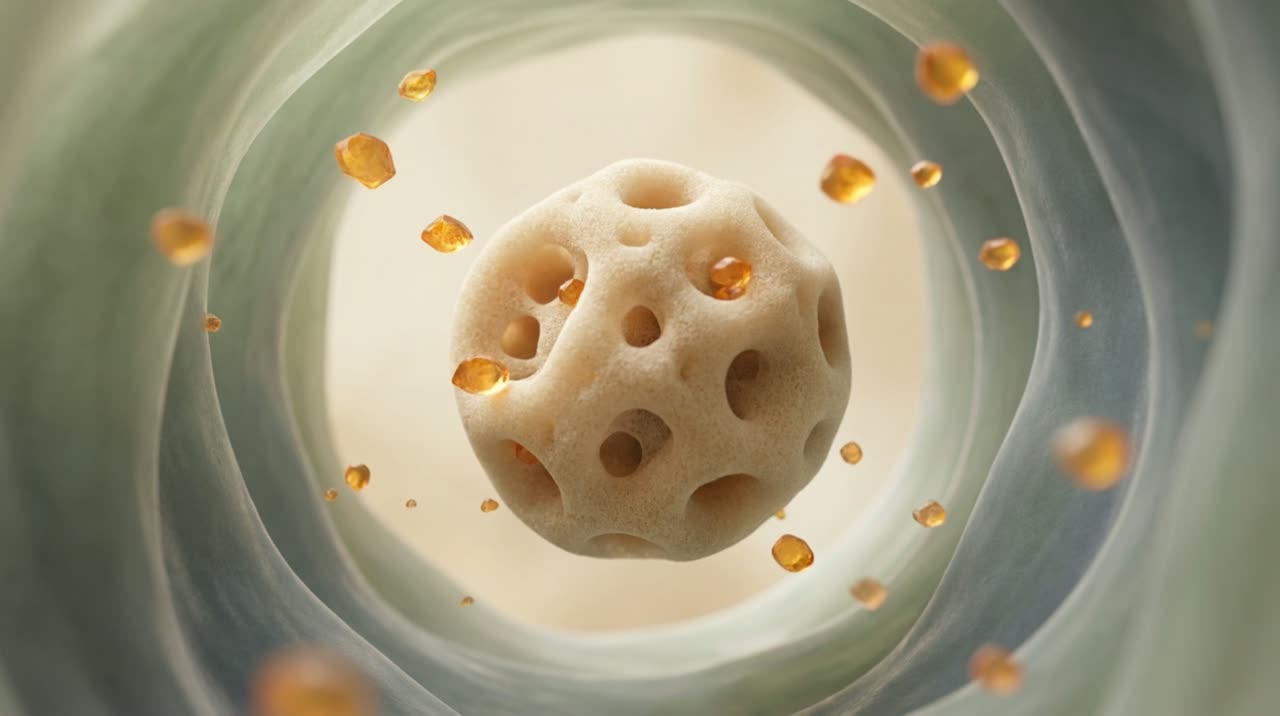
Think of it as a sponge in the gut.
Food goes in carrying phosphorus. The binder, mixed through that food, grabs hold of the phosphorus before her intestine can absorb it, and the whole lot leaves in the stool. The phosphorus never reaches her blood.
That's the entire mechanism, and understanding it tells you the one thing that makes or breaks this treatment: it has to be in contact with the food. A binder given away from a meal isn't a lower dose, it's very nearly no dose.
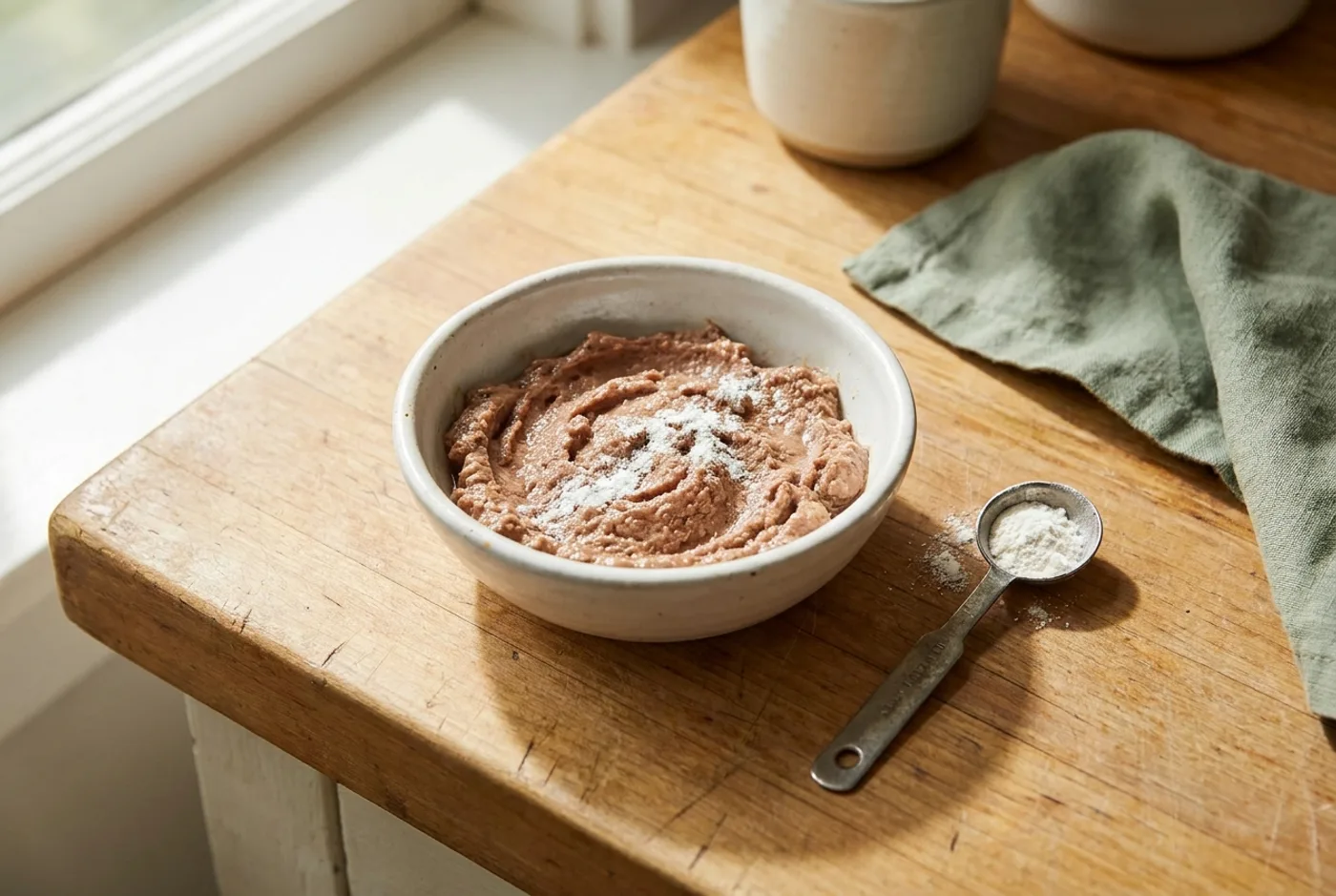
Why phosphorus is the value I chase hardest
Of all the numbers on her sheet, this is the one I work hardest to control, and it's worth knowing why.
Healthy kidneys dump surplus phosphorus into the urine. Damaged ones can't keep up, so it accumulates. Two things follow, and both matter:
She feels ill. High phosphorus makes cats nauseated, dull and off their food. A good part of what looks like "she's just getting old" in a kidney cat is phosphorus.
The disease speeds up. High phosphorus is directly damaging to what's left of the kidney tissue, and it drives a hormonal cascade that pulls calcium out of her bones. So it isn't only a comfort issue. It shortens the runway.
Unlike creatinine, which we can only watch, phosphorus is something we can genuinely move. That's why it gets the attention.
When she needs one
Two situations, and your vet will be reading her actual numbers rather than a rule.
Her phosphorus is above target despite a kidney diet. Diet comes first because it lowers phosphorus at the source. If that isn't enough, a binder goes on top.
She won't eat a kidney diet at all. Then the binder becomes the main tool rather than the backup, mixed into whatever she will eat. This is a good workaround and it recovers a real share of the benefit.
The types, and what's different about each
You'll be handed one of these. None of them is a bad choice, and the differences are mostly about taste, cost and what needs watching.
-
Aluminum hydroxide
The workhorse. Cheap, tasteless, mixes into wet food.
Watch Most constipating of the group. Uncommon reports of aluminum accumulation, so recheck rather than leave it on forever.
-
Lanthanum carbonate
Often better accepted. Cat-specific products exist.
Watch Usually costs more. The answer when she has detected the aluminum.
-
Calcium carbonate or acetate
Effective and inexpensive.
Watch Adds calcium. Needs blood calcium watched. Not usually first choice.
-
Sevelamer
Common in people. Used much less in cats.
Watch Can interfere with some vitamins. Harder to dose small.
-
Chitosan products
Sold as veterinary supplements. Some do bind phosphorus.
Watch Tell your vet before you start, because it changes how the next panel is read.
How to actually get it into her
This is where prescriptions succeed or fail, so it gets the most practical section on the page.
Mix it through wet food, thoroughly. Not sprinkled on top, where she'll eat around it or lick the gravy and leave the powder. Stir it in properly. A little water or the juice from a can of plain chicken helps it disappear.
Every meal that contains phosphorus. If she eats four small meals a day, the daily dose is split across them. If she grazes all day, ask your vet how to handle that, because grazing and binders fight each other.
Start lower than the target dose and build up over a week or two. A cat who tastes a full dose on day one may refuse that food from then on, and you'll have lost both the binder and the food.
Warm the food slightly after mixing. Smell covers a lot.
If she detects it, change the vehicle rather than the plan. A stronger-smelling food, a different texture, a spoon of tuna water stirred through. Cats detect texture as much as taste, so a powder that's gritty in pate may vanish in something shredded.
Mixing it in properly
Video coming. I'm filming these myself.
What to watch for
Constipation. The main one, and it matters more than it sounds, because a constipated kidney cat is nauseated and stops eating. Watch the box. If she's straining, producing small hard pieces, or nothing for two days, that's a call to your vet, who can adjust the binder or add a stool softener. Never use a human enema on a cat: phosphate enemas of the Fleet type can kill them, and phosphorus is the last thing she needs.
Appetite dropping after you start it. Usually means she's detected it. Fixable by changing the food or slowing the dose, so raise it rather than pushing through.
Blood calcium, if she's on a calcium-based binder. That's a bloodwork question at her recheck.
Interference with other medications. Binders grab other things too, not just phosphorus. Antibiotics and thyroid medication in particular should usually be given a couple of hours apart from the binder. Ask specifically about spacing if she's on anything else.
What success looks like
Her phosphorus number coming down toward the target for her stage, at the next recheck. That's the measurable part.
The part you'll actually notice is less precise and more important: she eats better, she's brighter, she grooms again, she's less flat in the afternoons. Owners quite often tell me the binder was the point where their cat started seeming like herself, and that's phosphorus coming off her.
Recheck bloodwork is what tells you the dose is right, which is why the recheck schedule matters here. A binder dose set six months ago against a number that has since moved is a guess.
Controlled phosphorus is also one of the handful of things that genuinely move life expectancy by stage, which is worth knowing on the days the routine feels pointless. It isn't.
Where this sits with everything else
Diet lowers phosphorus at the source. The binder catches what the diet couldn't. They're partners, not alternatives, and plenty of cats need both.
If she's refusing the kidney diet, read kidney diets for the transition method and the fallback plan. If she's off her food generally, that's usually nausea rather than fussiness, and nausea and vomiting comes first, because a binder in a bowl she won't touch isn't treating anything.
Questions people ask me about this
- What does a phosphorus binder do for a cat with kidney disease?
- It grabs phosphorus out of the food while it's still in her gut, so it leaves in the stool instead of crossing into her blood. High phosphorus is a direct cause of feeling nauseated and flat, and it drives the disease forward. Pulling it down is one of the two or three most useful things anyone does here.
- Does a phosphorus binder have to be given with food?
- Yes, and this is the mistake that wastes most prescriptions. It has to be stirred through the food so it meets the phosphorus in the same place at the same time. An hour beforehand, or squirted into her mouth on its own, achieves close to nothing.
- Which phosphorus binder is best for cats?
- There's no single best. Aluminum hydroxide is cheap, tasteless and effective. Lanthanum carbonate is well tolerated and often better accepted. Calcium-based ones work but can push her calcium up, and sevelamer sees little use in cats. The best is whichever she'll take daily without a fight.
- When should a cat start a phosphorus binder?
- When her phosphorus sits above the IRIS target for her stage despite a kidney diet, or when she won't touch a kidney diet at all. Those targets run tighter than the plain reference range on your sheet, so ask what number your vet wants in her specifically rather than whether it's technically normal.
- What are the side effects of phosphorus binders in cats?
- Constipation mostly, and particularly with the aluminum ones, which matters because a constipated kidney cat stops eating. Watch the litter box. Calcium-based binders can lift her blood calcium, and long-term aluminum has rarely been linked to weakness, which is why this gets rechecked rather than left on repeat forever.
- Can I just use a supplement instead of a prescription binder?
- A few over-the-counter products contain real binding ingredients, chitosan or aluminum, and one or two are reasonable. Dosing is set against her actual phosphorus number, though, so it's a conversation with your vet rather than a purchase. Tell them before you start, because it changes how her next panel should be read.
Medically reviewed by Dr. Steve Pelton, last updated . First published . Reviewed quarterly.