I'm still writing this site. Some guides aren't finished yet, and the ones that are may still change.

Skip to the guide →

It's late. You just got the news. Take a breath.

Your cat has chronic kidney disease. I'm going to walk you through this.

I'm Dr. Steve Pelton. I've been a veterinarian for 26 years, in solo practice, and I built this for my own clients first.

I've had kidney cats of my own. I know this part.

Once somebody names them, they stop being a verdict.

Fluids, food, a calendar on the fridge, fresh water.

It becomes routine. I promise.

Many cats live good years with CKD.

Let's get you both there.

Here's the path. Eight things, in order.

Keep scrolling

Written by Dr. Steve Pelton, solo practice since 2000

Your cat has kidney disease. Start here.

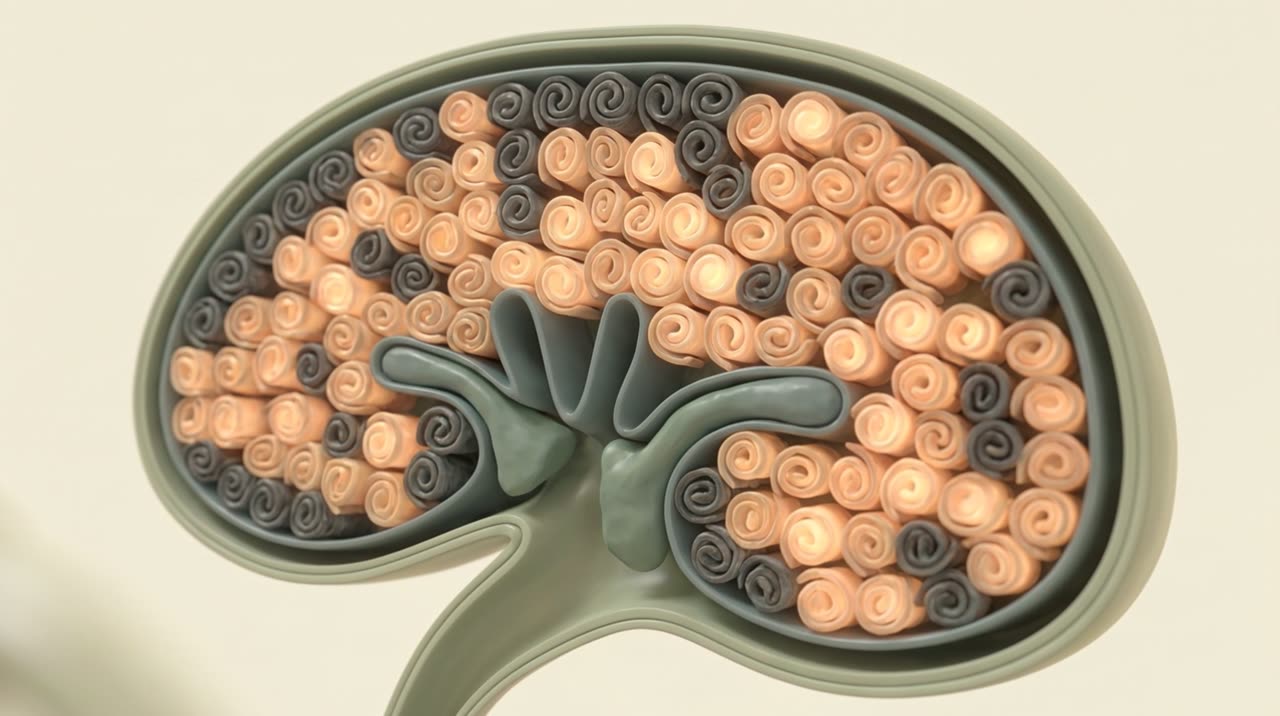
Chronic kidney disease means your cat's kidneys have permanently lost some of their ability to filter waste out of her blood. It doesn't reverse, and it will slowly get worse. It's also, in a great many cats, manageable for years.

You don't have to understand all of it tonight. There are eight things worth doing in the next two weeks, and they're below, in order.

You are here, day one

The first two weeks

Eight things, in the order I would do them

Not all at once. One or two per day is fine. Nothing on this list has to happen tonight except the last box on this page, and only if it applies to you.

  1. First, the part that actually helps

    You don't have to fix anything tonight.

    I'm not going to tell you it's fine. You've just been handed a diagnosis with the word "chronic" in it, about an animal who sleeps on your bed, and being scared is the correct response to that.

    Here's the part that helps. Kidney disease isn't one cliff. It's a long, slow slope, and almost everything that makes a cat feel ill along the way, dehydration, nausea, high phosphorus, low potassium, is something we can treat. You aren't being asked to cure anything. You're being asked to keep her comfortable, and that's a job you can do.

    1 min read

  2. Read her numbers

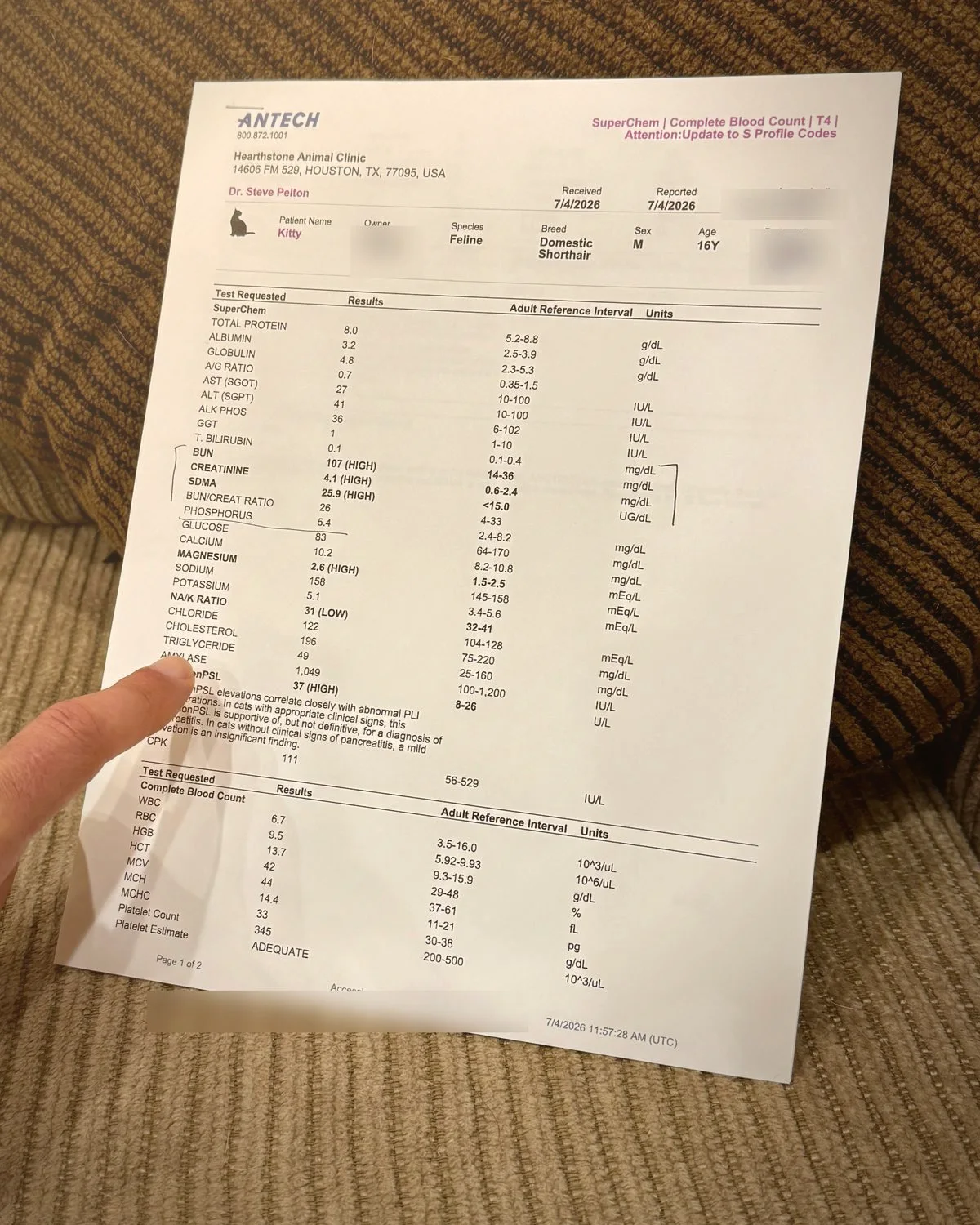
    Six numbers do most of the work. You can learn them in five minutes.

    Find the printout your vet gave you. These are the ones that matter:

    The last two are the ones that get skipped. If she has a stage but has never had a UPC or a blood pressure reading, that's a fair thing to ask for by name.

    If a number on your sheet isn't in that list, it's on the full page, along with what a high one and a low one each mean.

    Read the full bloodwork guide 6 min read

  3. Find out her stage

    Stage 1 to 4. It guides treatment. It isn't a countdown.

    Vets stage kidney disease from 1 to 4 using a system called IRIS, a scale published by an international group of kidney specialists. It's based mainly on creatinine, measured when your cat is properly hydrated.

    Ask your vet which stage she's in and write it down. Everything else on this site is easier to apply once you know it. And it's worth saying plainly: a stage is a description of where she is now, not a prediction of how long she has.

    What each IRIS stage means 5 min read

  4. Deal with nausea before you deal with food

    This is the step people skip, and it's the one that changes the most.

    Almost every owner's first instinct is to fix the eating. It's the wrong order. A cat who's nauseated will refuse whatever you offer her, and worse, she'll learn to associate that food with feeling sick, so you burn through her favorites one at a time.

    Cats are quiet about nausea. Most don't vomit. They sit hunched in front of a full bowl, lick their lips, turn their head away, and walk off. If that's what you're seeing, ask your vet about an anti-nausea medication before you buy another flavor of food.

    Two other things look exactly like kidney nausea and need completely different treatment. Constipation, because a mildly dehydrated cat's stool dries out, and a constipated cat is nauseated, flat and often in and out of the litter box straining. And a painful mouth, where the tell is that she's clearly interested, comes to the bowl, then flinches away or chews on one side. No anti-nausea drug fixes a sore tooth. Both are on the nausea page.

    How nausea is treated 7 min read

  5. Get her drinking, and find out about fluids

    Hydration is most of how she feels day to day.

    Damaged kidneys can't concentrate urine, so your cat loses more water than she should and spends most of her time mildly dehydrated. That's a large part of why she seems tired.

    Start with the easy things: wet food instead of dry where she will accept it, more water bowls in more rooms, a wide shallow bowl rather than a deep narrow one, and a running fountain if she likes moving water.

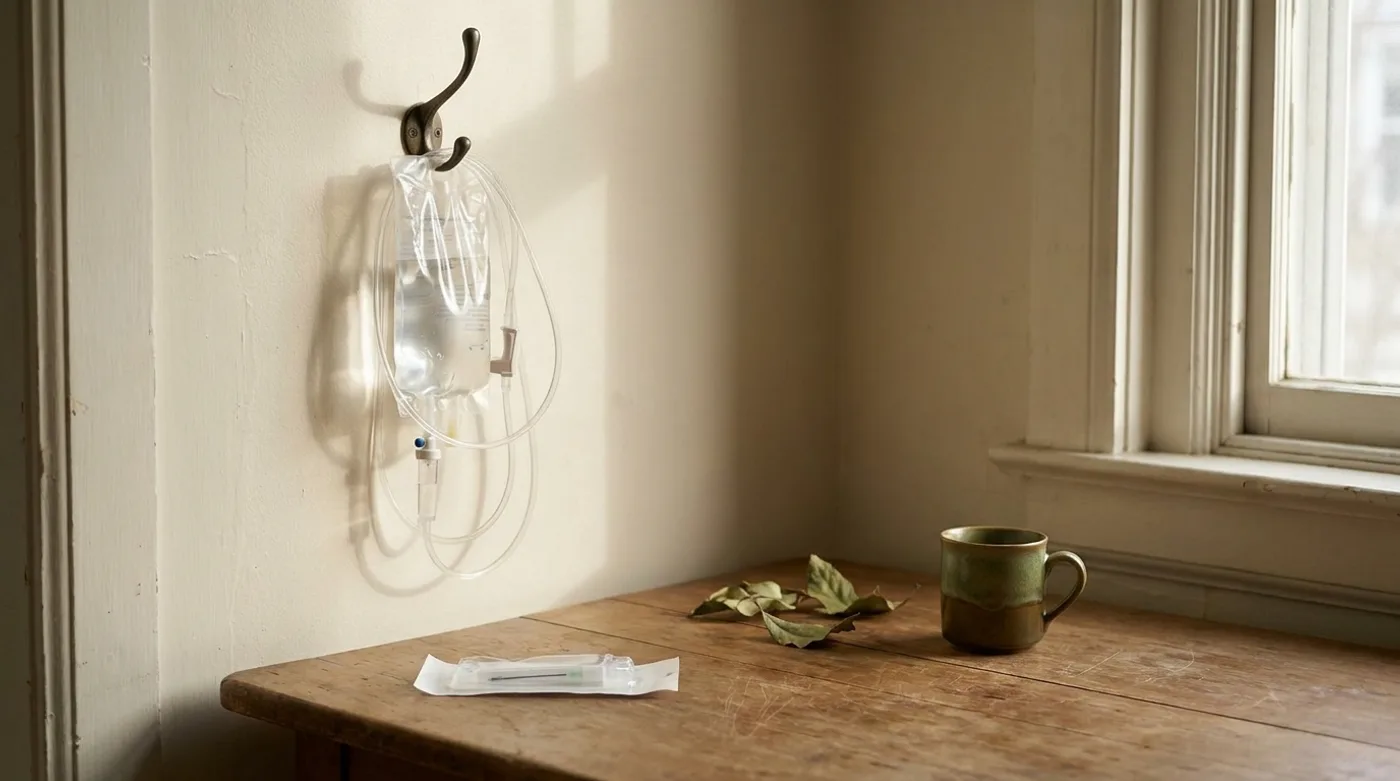
    If your vet has recommended subcutaneous fluids, sterile fluid run under the loose skin between her shoulder blades, which her body absorbs over a few hours, that isn't a sign things are dire. It's the single most useful thing most owners learn to do at home. It looks impossible the first time and it's routine by the fourth.

    The complete fluids guide 9 min read

  6. Then sort out the food

    Lower phosphorus is the goal. A cat who eats is the constraint.

    There's an order to this, and it's worth knowing so you don't drive yourself mad chasing the perfect bowl.

    If she won't take the kidney diet, don't force it. Transition slowly, mixing a little of the new food into the old over a couple of weeks. If she still refuses, tell your vet. A phosphorus binder, a powder mixed into whatever she will eat that traps phosphorus in the gut, gets you a good part of the same benefit.

    A cat eating an ordinary food beats a cat refusing the correct one. Every time.

    Kidney diets, and what to do when she refuses 8 min read

  7. Build the routine, and write it down

    Two weeks from now this should be boring. Boring is the goal.

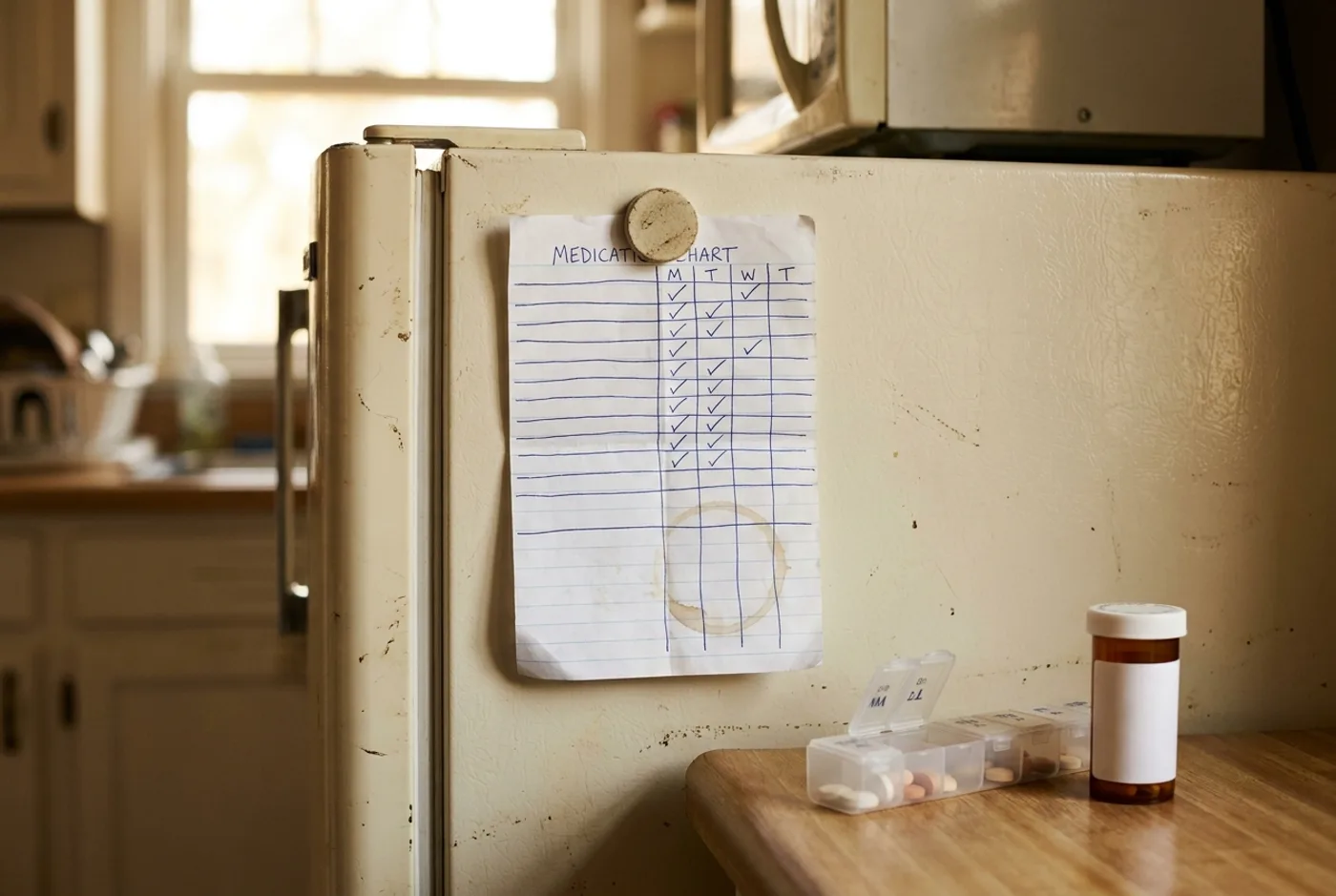
    Put the medications on the fridge with the times you actually give them, not the times you intend to. Buy a cheap kitchen scale and weigh her once a week, same day, and write it down, weight is the most useful thing you can track and the one almost everybody skips.

    Note what she eats, roughly. Note the litter box. You aren't building a medical record. You're building the ability to answer "is she better or worse than last month" with something other than a guess.

    The first thirty days, day by day 6 min read

  8. Book the recheck before you leave the parking lot

    The trend matters more than any single result.

    Newly diagnosed cats usually need rechecking in two to four weeks, sooner than most people expect, because the first set of numbers was taken on a bad day and we need to know where she settles.

    That interval isn't one number for everybody, so ask for hers specifically. A stable early-stage cat may well be fine months out. A stage 4 cat, or any cat who has just been started on fluids, a blood pressure drug or an ACE inhibitor, usually needs to be seen inside a week or two.

    A proper recheck is blood, urine, blood pressure and a weight. Not blood alone. If blood pressure isn't on the list, ask for it: high blood pressure hides alongside kidney disease and its first symptom is often sudden, permanent blindness.

    One more to know about, because it's easy to miss. If her numbers have got worse without an obvious reason, ask about a urine culture collected by cystocentesis, a sample taken with a needle straight from the bladder. A silent kidney infection is one of the more common causes of a cat who suddenly got worse, and it's curable.

    What a proper recheck includes 5 min read

Why this site exists

I built this for my own clients first.

I've been in solo practice since 2000, and kidney disease is one of the most common things I diagnose in older cats. It's also one of the hardest things to explain properly in a twenty minute appointment. There's a lot of information, it arrives on a bad day, and most of it doesn't stick. That isn't anybody's fault. Frightened people don't take in new information well, and that's just how brains work.

So I started writing it down and handing it to them. Then I realized the people who needed it most were not only my clients, they were everyone typing the same frightened question into a phone at eleven at night and getting a forum thread and a pet food advertisement back. So I opened it up.

I've also sat on my own kitchen floor with my own cats in kidney failure, more than once. Being a vet didn't make it easier. It did change what I tell people.

More about me and how I use this site →

The rest of the map

Thirty guides, grouped by what you need them for

You don't need these today. They're here for the week you do, the night she stops eating, the morning the recheck comes back worse, the afternoon you start wondering about the end.

Questions people ask me about this

Is chronic kidney disease in cats a death sentence?
No. It's progressive and it doesn't reverse, but many cats live comfortably for years after diagnosis, particularly cats caught in the earlier stages. What changes the outcome most is controlling phosphorus, keeping her hydrated, and treating nausea early rather than late.
How long will my cat live with kidney disease?
It depends heavily on the stage at diagnosis, and the honest ranges are wide. Many cats diagnosed in IRIS stage 2 live three years or more. Cats diagnosed in stage 4 often have months rather than years. How she responds in the first month tells us more than the numbers on the day of diagnosis.
Did I cause my cat's kidney disease?
Almost certainly not. In most cats we never find a single cause. Age is the biggest factor, with genetics, previous urinary problems, infections and high blood pressure contributing in some cats. There's no good evidence that feeding dry food causes kidney disease, and none that vaccinating her on the normal schedule does either. Canned food is better than dry once she has kidney disease, but that's about managing it, not about what caused it.
What is the single most important thing I can do at home?
Keep her eating. A cat who's eating is getting water, calories and her medication, and appetite is the first thing to fall when she feels unwell. If she hasn't eaten in twenty-four hours, that's a phone call to your vet, not a wait-and-see.
Do I have to give subcutaneous fluids?
Not necessarily, and not usually right away. Fluids under the skin are enormously helpful for many cats from the middle stages onward, but plenty of early-stage cats never need them. If your vet has recommended them, it's because hydration is the thing limiting how your cat feels right now.
Is canned food better than dry for a cat with kidney disease?
Yes, and mostly because of the water. A cat with kidney disease can't concentrate her urine properly, so she's losing more water than she should, and canned food puts a good deal of it back in every meal. A canned kidney diet is the best of both. But an ordinary canned food often beats a prescription dry food, and a cat who's eating beats one who isn't.
Does a therapeutic kidney diet actually make a difference?
Yes, it's the dietary change with the best evidence behind it, and it works mostly by lowering phosphorus rather than by lowering protein. But a cat who refuses the therapeutic diet and eats nothing is worse off than a cat eating an ordinary food. Eating comes first.

Medically reviewed by Dr. Steve Pelton, last updated . Reviewed quarterly.